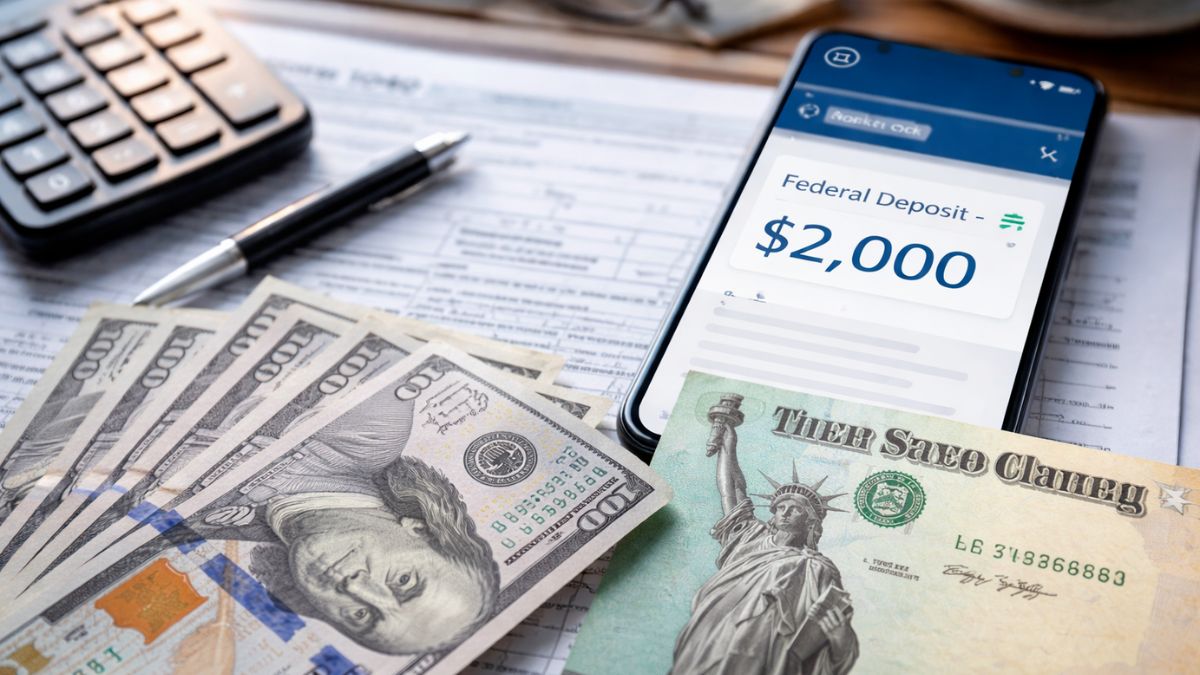
$2,000 Direct Deposit in February – As February approaches, many Americans are hearing about a possible $2,000 direct deposit for U.S. citizens. Social media posts and online headlines suggest that a new federal payment is on the way. These claims have created hope for families dealing with rising grocery prices, rent, fuel costs, and everyday expenses. However, it is important to separate verified information from online rumors.
At this time, there is no new nationwide $2,000 stimulus check approved by Congress for all U.S. citizens. The federal government has not announced a flat payment that automatically goes to everyone. Yet many people may still see deposits around that amount in February. The difference lies in understanding where the money actually comes from.
Where the $2,000 Deposits Are Coming From
For most Americans, a $2,000 deposit in February is likely tied to their federal tax refund. When taxpayers file their annual return, they may qualify for credits such as the Earned Income Tax Credit or the Child Tax Credit. If enough tax was withheld during the year, the refund can easily reach or exceed $2,000.

The Internal Revenue Service typically begins issuing refunds in late January or early February. For taxpayers who file electronically and choose direct deposit, refunds usually arrive within about seven to twenty-one days after acceptance, provided there are no errors or delays.
In other cases, Social Security recipients may receive monthly payments close to or above $2,000 depending on their earnings history and age at retirement. These are not stimulus payments but regular benefits calculated under existing rules.
Some states also distribute early-year rebates, property tax credits, or energy assistance payments. These programs vary by state and have specific eligibility requirements. When combined with federal refunds or benefits, the total amount received in February may appear to match the rumored $2,000 figure.

Why Confusion Spreads So Quickly
When money is tight, headlines about large deposits attract attention. Many online posts mix real programs with misleading claims. A tax refund, a Social Security payment, and a state rebate may be described together as if they are part of one new federal check. This creates confusion and false expectations.
The IRS does not send random payments simply because prices are high. Every deposit comes from a specific program, law, or benefit formula. Refunds are based on income, tax withholding, and credits claimed. Social Security payments are based on lifetime earnings and retirement age. State rebates follow their own rules and eligibility limits.
How to Know If You Qualify
The best way to determine if you might receive around $2,000 in February is to review your own tax situation. Filing your federal tax return early, choosing electronic filing, and selecting direct deposit are the fastest ways to receive a refund. Double-checking bank account details and personal information can prevent delays.

Taxpayers should review whether they qualify for credits, especially if they have children or moderate income. Social Security recipients can check their payment schedule through their online account. State programs can be verified through official government websites.
Stay Focused on Official Sources
If you are waiting for a deposit, rely only on official tools. The IRS provides a “Where’s My Refund?” tracker to check refund status. Social Security beneficiaries can log in to their accounts to confirm payment dates. State treasury or revenue websites list current rebate programs.
Avoid sharing personal information based on viral posts. Scams often increase during tax season, especially when large payments are rumored.

Final Thoughts
While there is no new universal $2,000 stimulus check for February, many Americans may still receive deposits around that amount through legitimate programs such as tax refunds, Social Security benefits, or state rebates. Understanding the source of the payment helps reduce confusion and prevents disappointment. Accurate filing, updated bank details, and careful tracking through official channels remain the most reliable ways to ensure timely payment.
Disclaimer: This article is for informational purposes only and does not provide legal, tax, or financial advice. Payment eligibility, refund amounts, and benefit rules depend on individual circumstances and official government policies. Readers should verify details through authorized IRS, Social Security Administration, or state government sources before making financial decisions.