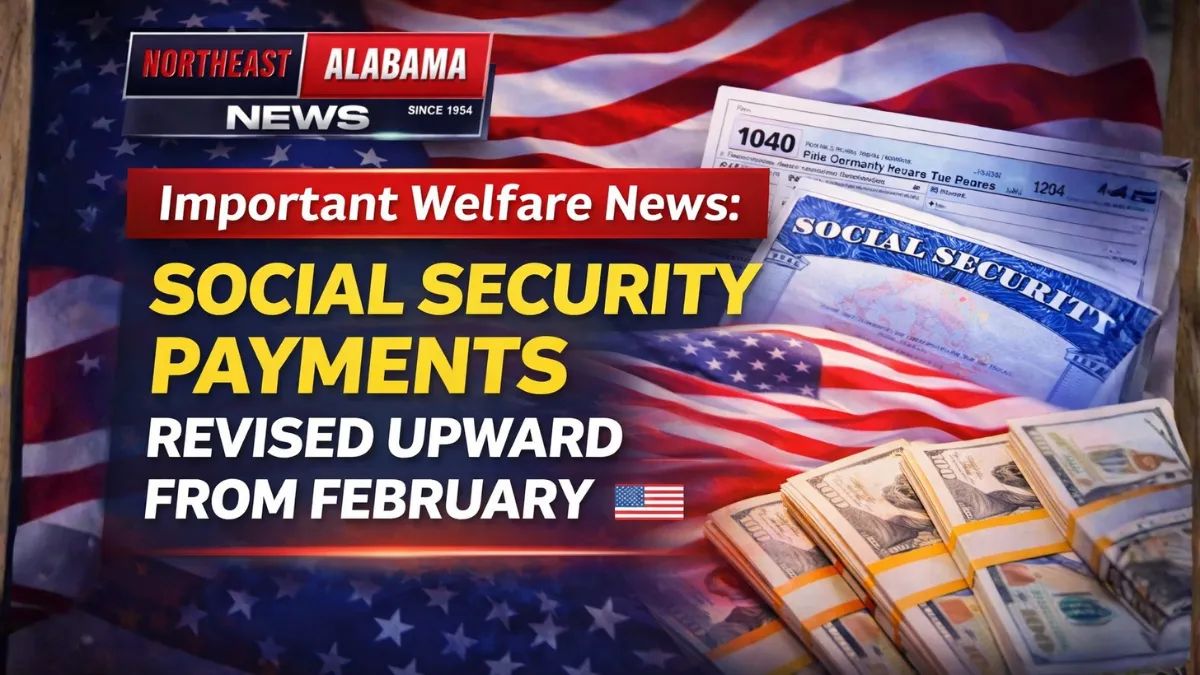
In February 2026, many Americans are hearing about possible $2,000 federal deposits and are asking whether a new stimulus check has been approved. Social media posts, online videos, and forwarded messages have created confusion. While it is true that some individuals may see deposits close to $2,000 in their bank accounts, there is no newly approved nationwide $2,000 stimulus payment scheduled for February 2026.
Understanding the difference between routine federal payments and a new stimulus program is important. At this time, no law has been passed that authorizes a universal $2,000 deposit for all Americans.
Why the $2,000 Amount Is Being Discussed
The $2,000 figure often appears because many regular federal benefits can reach or exceed that amount. For example, a number of retirees receiving Social Security benefits now collect monthly payments near or above $2,000. This is especially true for individuals who had higher lifetime earnings or chose to delay retirement to increase their monthly benefit.

Disability payments and veterans compensation can also approach that level, depending on the person’s work history, disability rating, or service record. These are routine monthly payments, not new relief programs. Because these deposits are similar in amount to past stimulus checks, they are sometimes mistaken for new government payments.
Regular Federal Programs That Pay in February
Several existing federal programs issue payments during February. Social Security retirement and disability benefits follow a monthly schedule. Payments are usually sent based on the recipient’s birth date, with different Wednesdays assigned throughout the month. This structured system helps manage millions of payments efficiently.
Supplemental Security Income, commonly known as SSI, is typically paid at the beginning of each month. If the first falls on a weekend or holiday, the payment may be issued earlier. Veterans disability compensation also follows a regular monthly payment cycle.

In addition, tax season begins early in the year. Taxpayers who file electronically and choose direct deposit often begin receiving refunds in mid to late February. Refundable credits, such as the Earned Income Tax Credit, can increase total refund amounts, sometimes pushing them above $2,000. These refunds are based on individual tax details, not on a new stimulus law.
No New Stimulus Legislation Approved
Past stimulus payments were created through specific legislation during emergency periods. Congress passed those laws, and the President signed them before payments were issued. As of February 2026, no similar law has been enacted that authorizes a universal $2,000 deposit.
Without new legislation, federal agencies cannot create or distribute broad stimulus payments. Any deposit appearing in bank accounts this month is almost certainly connected to routine benefits or tax refunds rather than a new nationwide relief program.
How to Confirm the Source of a Deposit
If you notice a deposit near $2,000 and are unsure about its origin, reviewing the transaction details in your bank account is the first step. The description often indicates whether the payment is from Social Security, the Department of Veterans Affairs, or a tax refund.
You can also log into official agency websites to confirm payment information. Social Security recipients can check their online account to review benefit details. Taxpayers can use official IRS tools to verify refund status. Relying on authorized government portals helps prevent misunderstandings and protects against scams.
Staying Informed and Avoiding Confusion
Online rumors often spread quickly during tax season. It is important to rely on verified information from official government sources before expecting any new federal payment. Understanding that most February deposits are routine benefits or tax refunds can help families plan their finances responsibly.
यह भी पढ़े:
 $2,000 Federal Stimulus Payment in February 2026: What to Know About Eligibility and Payment Timing
The discussions about $2,000 federal deposits in February 2026 are not linked to a new nationwide stimulus program. Most payments around that amount reflect regular Social Security benefits, disability compensation, veterans benefits, or income tax refunds.
Disclaimer: This article is for informational purposes only and does not provide legal, tax, or financial advice. Payment eligibility, timing, and amounts depend on individual circumstances and official government rules. Readers should consult authorized agency resources or a qualified professional for accurate and personalized guidance.