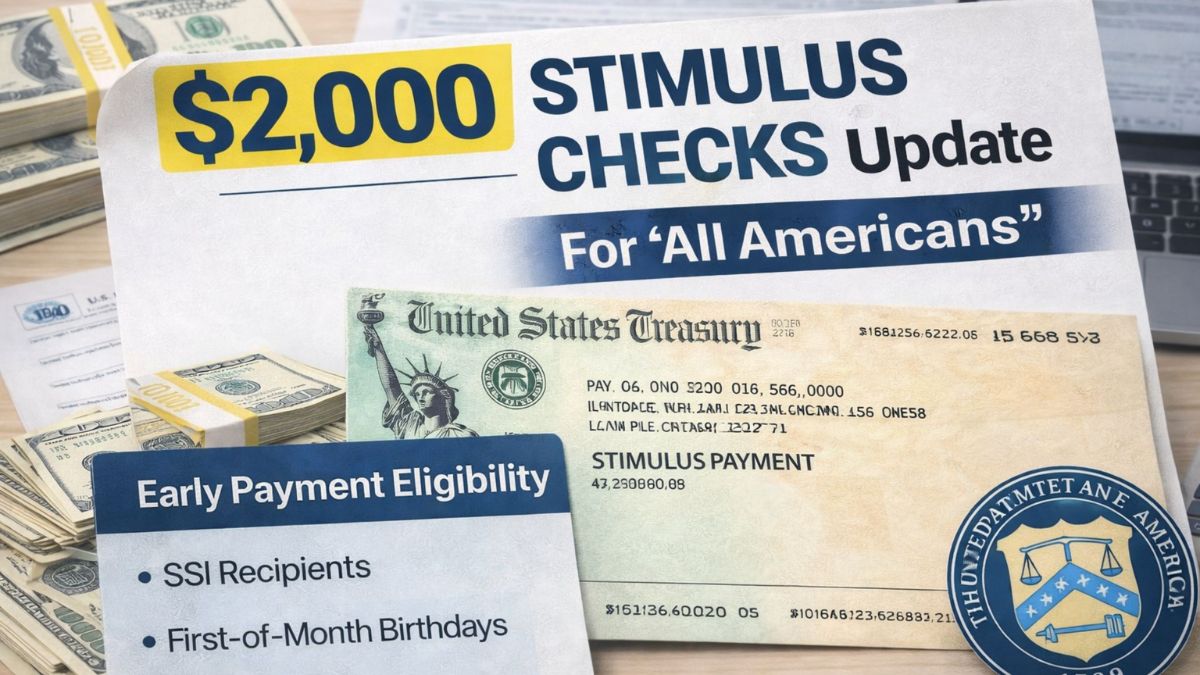
In 2026, many families across the United States are still managing tight household budgets. Rent, groceries, medical bills, transportation, and insurance premiums continue to take up a large share of monthly income. Although inflation is not rising as quickly as it did in earlier years, prices remain noticeably higher than before. Because of this financial pressure, discussions about a possible $2,000 stimulus payment have started circulating again.
Why Stimulus Discussions Are Returning
When living costs increase and savings feel limited, people naturally look for solutions that can provide fast relief. Direct government payments are often seen as one of the quickest ways to support households. Extra money can help families catch up on rent, reduce credit card balances, pay utility bills, or build a small emergency fund.
Some policymakers argue that stimulus payments can also strengthen the broader economy. When families spend the money on essentials, local businesses benefit. Increased spending can move through communities and create short-term economic activity. With housing costs rising and many Americans carrying higher debt levels in 2026, interest in relief programs has grown again.

What Is Required for a Stimulus Check to Be Issued
For a nationwide stimulus check to become reality, Congress must pass a formal law. That law must clearly explain the total payment amount, who qualifies, how the program will be funded, and which federal agency will manage distribution. After both chambers of Congress approve the bill, the President must sign it into law. Only then can federal agencies begin preparing payment systems.
At this time, there is no approved federal legislation that guarantees a $2,000 stimulus payment in 2026. There is no official payment date, no confirmed eligibility list, and no application process currently open. Without signed legislation, government agencies do not have the authority to send nationwide payments.
Why Confusion Sometimes Spreads
Public comments from elected officials can sometimes add to the confusion. Lawmakers may speak about possible relief ideas during interviews or public events. These ideas may generate headlines and social media discussions. However, a proposal or public statement is not the same as a passed law.

Until a bill is formally approved and publicly announced through official government channels, claims about guaranteed deposits should be treated with caution. Online posts or videos that promise confirmed payments without referencing official government documents may be misleading.
Who Could Qualify If a Program Is Approved Later
If Congress were to approve a stimulus plan in the future, it would likely follow patterns used in earlier relief programs. Payments might focus on lower- and middle-income households. Income limits could determine whether someone qualifies for the full amount, a reduced amount, or no payment at all.
Federal agencies would probably rely on existing tax records and benefit databases to identify eligible recipients. This approach allows payments to be sent automatically without requiring most people to submit new applications. Even after approval, it would take time to finalize eligibility rules, update systems, and distribute funds properly.
यह भी पढ़े:
 $2,000 Federal Deposits February 2026 Explained With Eligibility Rules, Timeline, and Latest Updates
Staying Informed and Protecting Yourself
During times of economic uncertainty, rumors about government payments can spread quickly. It is important to rely only on verified government sources for accurate information. Official announcements are typically published on government websites and reported widely by trusted news organizations.
People should also be cautious about messages asking for personal or banking information in exchange for a payment. Government agencies do not charge fees to release stimulus funds and do not request sensitive details through random text messages or social media posts.
Final Thoughts
While financial pressure remains a concern for many families in 2026, there is currently no confirmed $2,000 federal stimulus payment approved by law. Any future program would require formal legislative action before money could be distributed. Until that happens, households should base financial plans only on confirmed income and verified information.

Disclaimer
This article is for informational purposes only and does not guarantee any government payment. Policies, proposals, and economic measures may change based on future legislative decisions. Readers should rely on official U.S. government announcements and verified sources for the most accurate and up-to-date information.