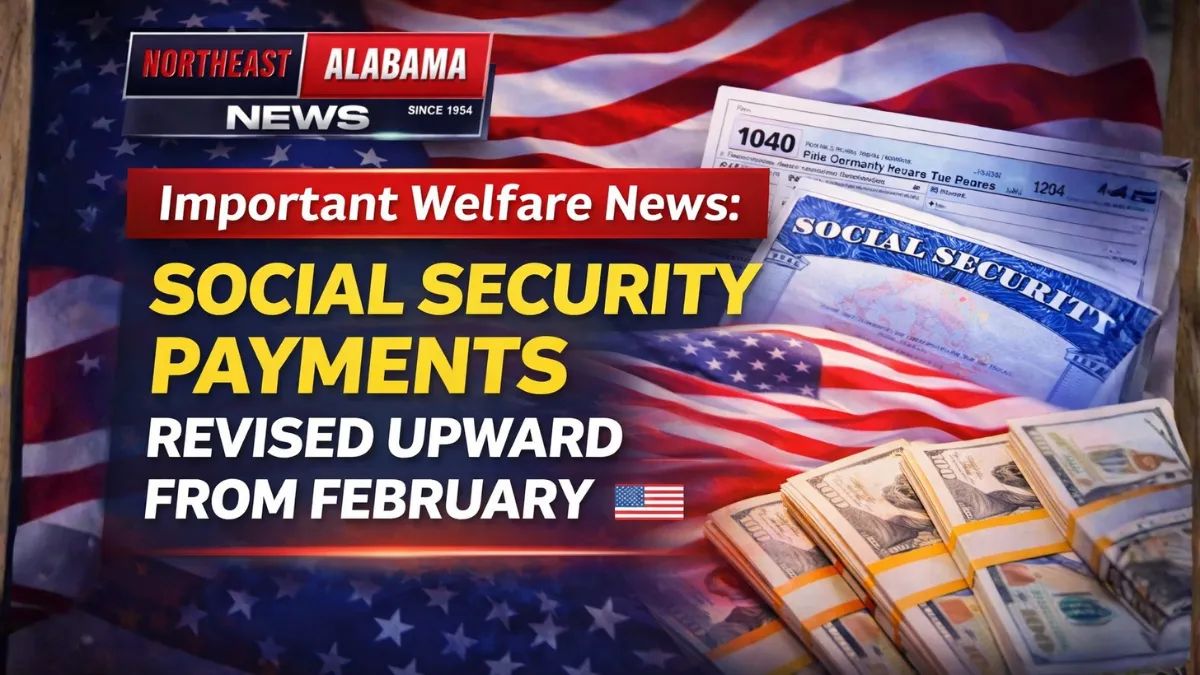
The federal government has introduced a new social policy program that will provide $500 payments to eligible citizens. This initiative is part of a broader effort to support low- and middle-income households facing ongoing financial pressure. With rising living costs, many families welcome structured financial assistance that helps cover essential expenses such as groceries, rent, utilities, and transportation. Understanding how the program works is important for anyone who may qualify.
The government has stated that payments are expected to begin in early March 2026. Funds will mainly be distributed through direct deposit to ensure quick and secure access. For individuals without banking details on file, paper checks may be issued, although mailed payments usually take longer to arrive.
Eligibility Requirements and Qualification Rules
Eligibility for the $500 payment depends on income thresholds and filing status established by federal guidelines. Individuals who meet income limits based on recent tax filings or who participate in certain social assistance programs may qualify automatically. Household size and the number of dependents can also influence eligibility.

For example, families with children or multiple dependents may receive additional consideration under the qualification rules. Financial circumstances such as total annual income and residency status are also factors reviewed by the government. To avoid confusion, potential recipients should verify their eligibility using official government sources rather than relying on social media claims.
Those who have not filed recent tax returns or updated personal information may need to complete necessary documentation to ensure qualification. Accurate records and up-to-date information increase the likelihood of timely payment.
Payment Schedule and Delivery Process
The structured payment schedule is designed to prevent system overload and reduce administrative delays. Direct deposit is prioritized because it is faster and more secure. Individuals with valid bank details on file are likely to receive their funds shortly after distribution begins.

Paper checks, while still available, require additional time for printing and mailing. Delivery times may vary depending on postal processing. Beneficiaries should ensure that mailing addresses and banking information are accurate before payments are released.
Monitoring official government portals allows recipients to track the status of their payment. These systems typically provide updates regarding approval, processing, and deposit dates.
Protecting Yourself from Scams
Large-scale government payments often attract fraudulent activity. Officials have warned that legitimate agencies will never request sensitive banking information through unsolicited emails, phone calls, or text messages. Beneficiaries should access only verified government websites for updates.
Staying alert to potential scams helps protect personal data and financial security. Reporting suspicious messages to official authorities can also prevent wider fraud attempts.
Conclusion
The new $500 payment initiative scheduled for early March 2026 aims to provide financial relief to eligible households. Payment timing and qualification depend on income, filing status, and accurate documentation. Choosing direct deposit, keeping records updated, and monitoring official sources will help ensure smooth and secure receipt of funds. Careful preparation allows beneficiaries to plan their finances effectively and avoid misinformation.
Disclaimer: This article is for informational purposes only. Payment amounts, eligibility rules, and distribution timelines are determined by official government regulations and may change. Individuals should verify all details through authorized government sources before making financial decisions.