
Attention SSDI Recipients – The Social Security Disability Insurance program, commonly known as SSDI, provides monthly financial support to workers who cannot continue working because of a qualifying disability. These payments help millions of Americans pay for basic needs such as housing, food, utilities, and medical care. The program is funded through payroll taxes, and eligibility depends on a person’s work history and medical approval.
Most beneficiaries receive one payment each month. However, in February 2026, some recipients may notice what appears to be a second payment. Understanding why this can happen helps prevent confusion and allows families to plan their finances more effectively.
Why Some Beneficiaries May See Two Payments
In certain situations, an SSDI recipient may receive more than one deposit in the same month. One common reason involves dependent benefits. If a disabled worker has eligible dependents, such as children or a spouse, those benefits may sometimes be processed separately. When that happens, the dependent portion may arrive as a separate deposit.

Another reason for an extra payment could be a correction or adjustment. If the Social Security Administration identifies a previous underpayment, it may issue a separate deposit to make up the difference. This correction can appear as an additional payment in February.
Retroactive benefits can also lead to a second deposit. If a claim was approved recently and past benefits are owed, the agency may release those funds separately from the regular monthly payment.
It is important to note that not every beneficiary will receive two payments. A second deposit usually applies only in specific cases involving dependents, adjustments, or back pay.
यह भी पढ़े:
 $2,000 Federal Deposits February 2026 Explained With Eligibility Rules, Timeline, and Latest Updates
How the February 2026 SSDI Payment Schedule Works
The Social Security Administration follows a structured schedule based on the beneficiary’s birth date. This system spreads payments throughout the month to reduce processing pressure.
In February 2026, beneficiaries born between the 1st and 10th of any month are generally scheduled to receive their payment during the first week of February. Those born between the 11th and 20th typically receive their deposit during the middle of the month. Beneficiaries born between the 21st and 31st usually receive their funds during the final week of February.
If a payment date falls on a weekend or federal holiday, the deposit is typically issued on the previous business day. Direct deposit recipients usually receive funds faster than those who rely on mailed checks.

Understanding this schedule helps recipients know when to expect their money and reduces uncertainty.
Factors That Can Affect Payment Timing
Several factors may influence when a deposit arrives. Changes to bank account information can cause brief delays. If a beneficiary switches banks or updates routing details, additional processing time may be required.
Bank holidays and non-business days can also shift deposit timing slightly. In addition, updates to personal information, such as marital status or dependent status, may require recalculation of benefits. These updates can sometimes result in adjustments or additional payments.
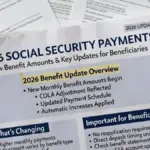
Reporting life changes promptly and ensuring that records are accurate helps maintain smooth payment processing.
How to Check Your Payment Status
The safest and most reliable way to confirm payment details is through the official Social Security Administration website. Beneficiaries can log into their personal account to review deposit dates, benefit amounts, and banking information.
If online access is not available, contacting the SSA directly by phone or visiting a local office can provide clarification. Keeping account information current reduces the risk of delays and misunderstandings.
यह भी पढ़े:
 $2,000 Federal Stimulus Payment in February 2026: What to Know About Eligibility and Payment Timing
Why the February Payment Matters
For many households, SSDI is the main source of income. Timely payments are essential for covering rent or mortgage obligations, grocery bills, transportation costs, and medical expenses. Even a short delay can affect budgeting and increase stress.
Knowing the reason behind a mid-month or additional payment allows recipients to plan more confidently. Awareness of the official schedule and possible adjustment reasons helps avoid confusion when two deposits appear in the same month.
Conclusion
The February 2026 SSDI schedule follows the standard birth date-based structure used by the Social Security Administration. While most beneficiaries will receive one monthly payment, some may notice a second deposit due to dependent benefits, retroactive adjustments, or corrections. Staying informed and reviewing official account information ensures that recipients understand their payment timeline and maintain financial stability.

Disclaimer: This article is for informational purposes only. SSDI payment dates, eligibility rules, and benefit amounts are determined solely by the Social Security Administration and may change based on official policies or individual circumstances. Beneficiaries should verify payment details directly through authorized SSA channels before making financial decisions.