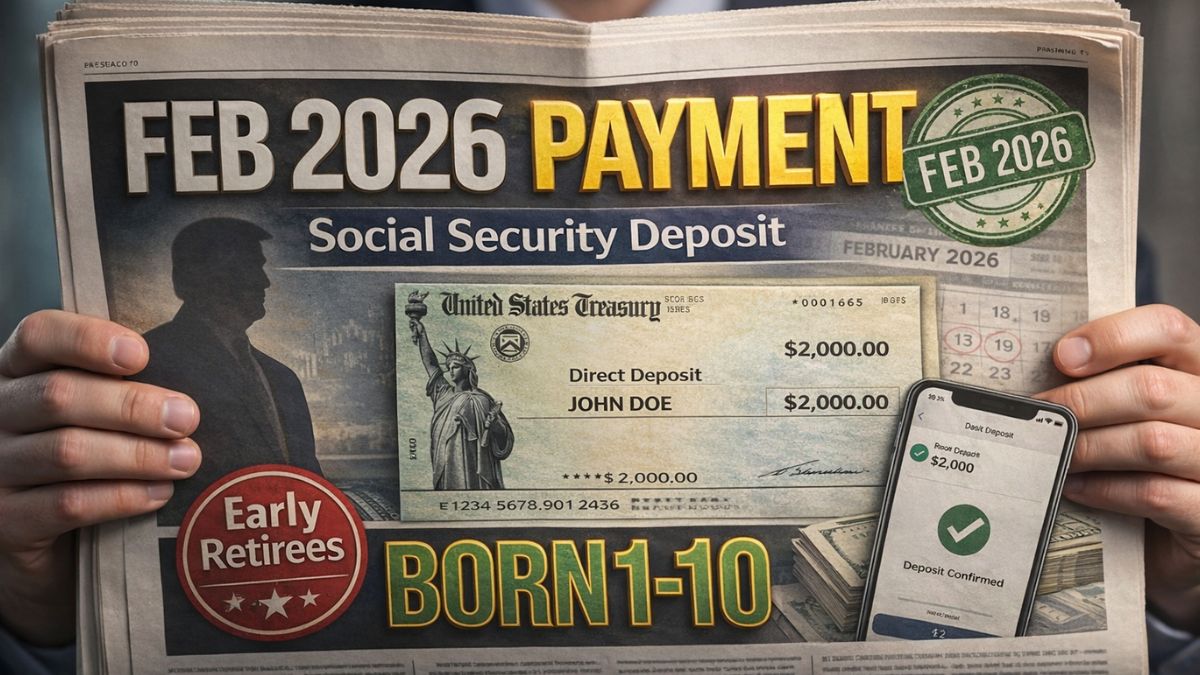
As February 2026 approaches, many Americans are seeing social media posts that claim the IRS has approved a $2,000 direct deposit for everyone. These messages often sound urgent and convincing. Some posts even show screenshots of bank deposits and say the payment was “just approved.” For families dealing with high grocery prices, rent increases, and credit card bills from the holidays, the idea of extra money arriving can feel real and reassuring. However, it is important to pause and examine these claims carefully.
Why These Claims Appear Every Tax Season
Rumors about large IRS payments tend to spread during tax season. February is one of the busiest months for tax filing. Many people submit their tax returns in late January or early February. Once those returns are processed, refunds begin to arrive. When early filers receive deposits, they sometimes share screenshots online. Without context, others assume the money is part of a new government program instead of a regular tax refund.
This pattern happens almost every year. The combination of tax season activity and financial stress makes people more likely to believe that a new payment has been approved. Social media posts often leave out the fact that the deposits shown are refunds based on personal tax returns.

Why the $2,000 Number Is Common
The number $2,000 appears frequently in these posts because it is a common refund amount for many taxpayers. Throughout the year, workers usually have taxes withheld from each paycheck. If too much tax is withheld, the excess is returned as a refund after the annual return is filed.
Tax credits can also increase refund amounts. Credits related to children, education, or income level can significantly raise the final refund total. When these amounts are added together, many refunds end up near round figures like $2,000. This does not mean everyone is receiving the same payment. It simply reflects how individual tax calculations work.
The Difference Between Refunds and Stimulus Payments
A major reason for confusion is the memory of past stimulus checks. During national emergencies, Congress passed special laws authorizing direct payments to eligible Americans. Those payments were widely announced and clearly explained. They were not simply regular tax refunds.

Tax refunds are different. A refund is not a bonus or a new benefit. It is money returned because a taxpayer paid more than required during the year. Without a new law passed by Congress and signed by the president, the IRS cannot issue universal payments to everyone.
At this time, there has been no official announcement of a new nationwide $2,000 stimulus or relief payment for February 2026. Any such program would require public debate, formal approval, and clear communication through official government channels.
Why Some People Receive Deposits Earlier
Not all refunds arrive at the same time. Taxpayers who file early, submit accurate information, and choose direct deposit usually receive refunds faster. Simple returns are processed more quickly by IRS systems.

Other returns may require additional review. Errors, missing information, or identity verification checks can delay processing. These timing differences are normal during tax season and do not signal a special or secret payment program.
When early filers begin receiving refunds in mid to late February, those deposits may appear online without explanation. This can make it seem like a new program has started when, in reality, the IRS is simply processing returns as usual.
The Risk of Believing Unconfirmed Claims
Planning personal finances around unverified payment rumors can create serious problems. Some people may delay paying rent, utilities, or other bills while waiting for money they expect to arrive. If the payment never comes, financial stress can increase quickly.
Government agencies do not quietly issue universal payments without clear announcements. Official information is always shared through trusted government websites and verified news sources. Relying on social media posts alone can lead to misunderstandings.
It is also important to be cautious about scams. Fraudsters often use popular rumors to trick people into sharing personal or banking information. The IRS does not request sensitive details through random messages or social media posts.
Understanding the Current Situation
As of February 2026, there is no confirmed IRS-approved $2,000 direct deposit for everyone. What many people are seeing are normal tax refunds reaching early filers. Refund amounts depend entirely on individual income, tax withholding, and credit eligibility.
Knowing the difference between a regular tax refund and a government stimulus payment helps protect both finances and peace of mind. Staying informed through official IRS sources is the safest way to understand what payments, if any, have truly been approved.
Disclaimer
This article is for informational purposes only and does not provide tax, legal, or financial advice. As of February 2026, no universal $2,000 IRS direct deposit or stimulus payment has been officially authorized by Congress. Refund amounts and payment timing depend on individual tax filings and IRS processing rules. Always verify information through official IRS announcements or consult a qualified tax professional for advice related to your personal situation.