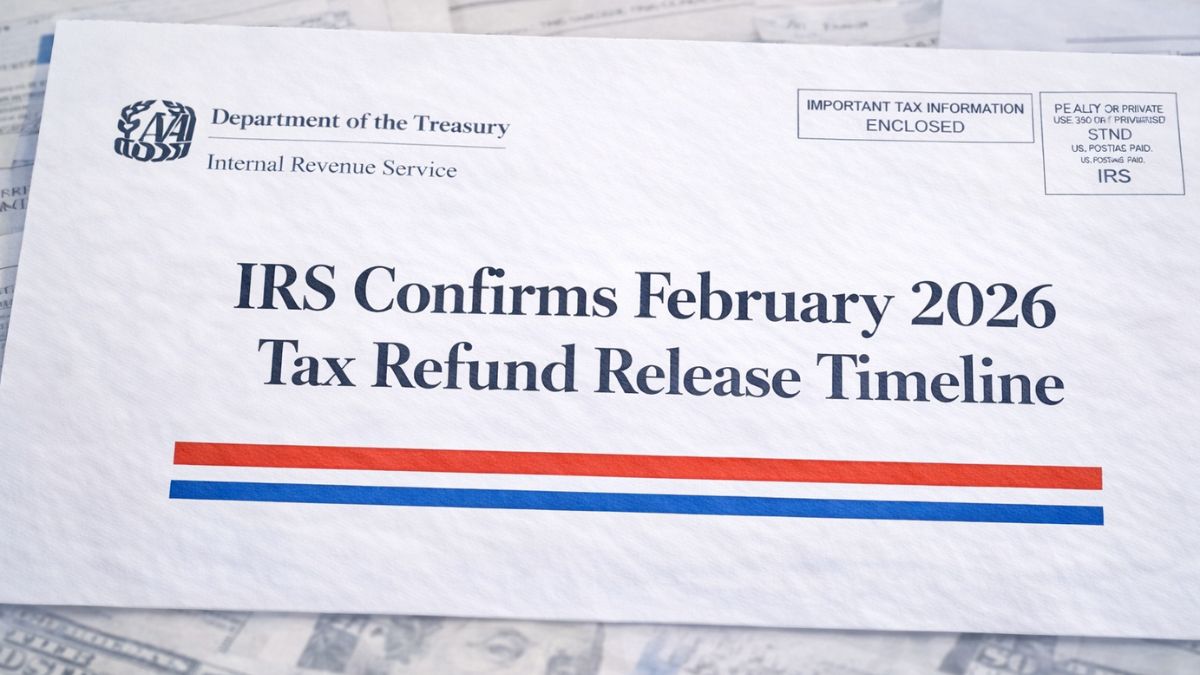
IRS Tax Refund Release Timeline – The 2026 tax filing season is officially underway, and the Internal Revenue Service has confirmed that income tax refunds will begin reaching eligible taxpayers during February. For many people, a tax refund is more than just extra money. It helps cover everyday expenses, pay down debt, or strengthen savings. Since millions of households plan their finances around this payment, understanding how the refund timeline works can help reduce stress and confusion.
Refunds are not issued all at once. Instead, they are released in stages depending on when a return is filed, how it is submitted, and whether it passes initial system checks without issues. Because every return moves through processing at a different speed, knowing what affects timing can help set realistic expectations.
When February Refunds Start Arriving
The IRS has already begun accepting and processing tax returns for the 2026 season. Refunds are issued after returns are reviewed and approved. Taxpayers who file early are usually first in line, especially if they submit their returns electronically and choose direct deposit.

In most standard cases, people who e-file and use direct deposit receive their refund within about 10 to 21 days after the IRS accepts their return. The acceptance date is important because it marks the point when processing officially begins. The refund timeline typically starts from acceptance, not from the day the return is submitted.
Paper filers usually wait longer. Mailed returns must be opened, sorted, and entered manually before processing can begin. On top of that, receiving a refund by mailed check adds extra delivery time. Because of these additional steps, paper returns often take several weeks longer than electronic filings.
Why E-Filing and Direct Deposit Matter
The method used to file a return has a major impact on refund speed. Electronic filing is faster because IRS systems can automatically read and review the information. Many tax software programs also check for common mistakes before submission, reducing the chance of delays.
यह भी पढ़े:
 $2,000 Federal Deposits February 2026 Explained With Eligibility Rules, Timeline, and Latest Updates
Direct deposit speeds up the payment process even more. Once a refund is approved, the money is transferred directly to a bank account. There is no printing, mailing, or physical delivery involved. Combining e-filing with direct deposit is the fastest way to receive a refund, while paper filing with a mailed check is the slowest.
Accuracy Plays a Big Role
Correct and complete information is just as important as filing method. Even small mistakes can cause a return to be flagged for review. If personal details do not match official records or income information appears inconsistent, processing may pause.
When a return requires manual review, the refund can take longer than the typical 21-day window. Common issues include math errors, missing forms, or incorrect bank account numbers. Carefully reviewing all details before filing can help prevent these delays.

Some Credits Require Extra Review
Certain refundable tax credits require additional verification under fraud prevention rules. These checks are required by law and can extend processing time. If a return includes credits that need extra review, refunds may arrive later in February or early March. This does not mean there is a problem — it simply means additional validation is required.
Tracking Your Refund Status
Taxpayers can check refund progress using the IRS online tracking tool. Updates usually appear within about 24 hours after an electronic return is accepted, while paper returns take longer. The system typically shows three stages: return received, refund approved, and refund sent.
Disclaimer

This article is for general informational purposes only and explains the February 2026 tax refund timeline in simple terms. It does not provide tax, legal, or financial advice. Refund amounts, eligibility, and processing times vary based on individual tax situations and official IRS procedures. For personal guidance, always refer to official IRS resources or consult a qualified tax professional before making financial or filing decisions.